Honouring the Empty Place: Grounding Techniques for Grief at December Gatherings
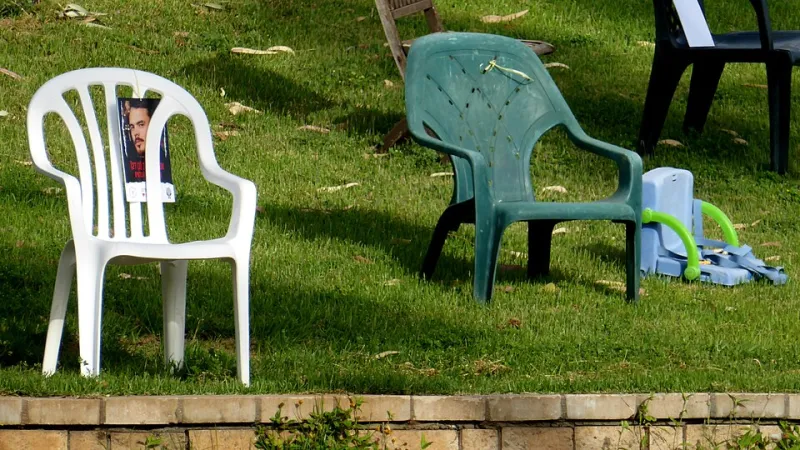
Photo: Chenspec, CC BY-SA 4.0, via Wikimedia Commons
December can arrive with a particular kind of pressure for anyone who is grieving. The lights go up, the invitations accumulate, and the family table is expected to look as it always has. Yet an absence can be most present in a room arranged for celebration. This article is written for the reader who is preparing for a gathering after a loss, recent or long ago, and who wants a gentle and practical way through.
Why December asks so much of the bereaved
Festive rituals are repetitive by design. They carry memory in objects, songs, seating plans, and foods. A mince pie, a particular carol, the pause before a toast: these are cues. For a grieving nervous system, cues can bring the past into the present without warning. A person may be laughing at one moment and then feel tears arrive at the sound of a familiar voice or the sight of an unused place setting.
Anticipatory grief, the grief that arrives before an event, can begin days or weeks ahead. It may show as dread, irritability, fatigue, a wish to cancel, or a strange numbness. None of this is failure. It is the mind and body trying to prepare for a situation that contains both love and loss. The aim of this article is not to remove those feelings. It is to help you move through them with a little more choice.
Anticipatory grief and the family script
Families often have an unspoken script for December: who hosts, who carves, who makes the joke, who keeps the peace. Loss changes the cast but not always the script. The empty chair may be physical or symbolic. It may be the person who used to ring on Christmas Eve, the one who always burned the sprouts, or the one whose absence is felt in the quiet after the crackers are pulled.
It can help to name, in advance, what you can and cannot do. A brief conversation before the day, by phone or message, can reduce the load of deciding in the moment. For example: 'I would like to come for lunch, and I may need to step out for ten minutes. It is not about anyone else.' Or: 'I am not able to host this year, but I would like to see you on another day.' These statements are not coldness. They are preparation.
Grounding before you leave the house
Grounding is not a cure for grief. It is a way to help the body feel less swept. Before leaving, sit for three minutes. Place both feet on the floor. Name five objects in the room, then four sounds, then three points of contact between your body and the chair. Take one slow breath in through the nose and a longer breath out through the mouth. Then choose one small anchor to carry: a stone, a phrase, a photograph, a scent, or a message from a friend.
The aim is to arrive with a little more choice. If you are travelling by car or train, use the journey as a transition. Listen to music that soothes, send a voice note to a trusted friend, or allow yourself silence. It is not necessary to arrive in a perfect state. It is enough to arrive with one available resource.
Boundary phrases that protect without explaining
Grief does not always lend itself to clear explanation, and December gatherings are not always the place for one. Short phrases can protect the moment without requiring a full account. Practise one or two aloud before the event so that they are easier to reach.
- 'I am going to take a few minutes. I will be back shortly.'
- 'I am pacing myself today.'
- 'I would rather not talk about that just now.'
- 'I need some air. Please carry on without me.'
- 'I am glad I came. I am going to head off after the toast.'
If someone asks why, you can repeat: 'I am just pacing myself.' Boundaries may need to be repeated. That is not a sign that they have failed. It is often a sign that they are working.
A short self-hypnosis exercise for honouring absence
This exercise is best practised first in a quiet moment, and then used before or after a gathering. It is not about forgetting. It is about giving the memory a container.
- Sit somewhere comfortable. Let your eyes soften or close, whichever feels safer.
- Breathe naturally. On each exhale, silently say the word 'soften'.
- Bring to mind one image of the person or the absence. Not the whole story, just one detail: a hand, a laugh, a coat, a favourite mug.
- Silently say: 'I can remember without being swept away. I can let this be here.'
- Imagine placing the memory somewhere safe: a drawer, a shelf, a pool of light, a box with a lid. Not to banish it, but to hold it for now.
- Return your attention to your breath, then to the room. Open your eyes if they were closed.
Two to five minutes is enough. If tears come, let them. If they do not, that is also fine. Numbness is a normal response to grief, not a failure of feeling. Repeat the exercise after the gathering if you need to, perhaps before bed or in the car before driving home.
After the gathering
Debrief gently. Drink water. Lower the lights. Avoid judging the day as a success or a failure. You may notice relief, sadness, guilt, or a flatness that is difficult to name. All can follow a gathering. If the day was difficult, consider what helped for five minutes and what could be changed next time. Perhaps the boundary phrase worked. Perhaps the exit was too late. Perhaps next year the format needs to be different.
Therapeutic hypnosis can offer a calm space to rehearse boundaries and grounding, at a pace set by the client. At Hypnosis4U, we work with people who are navigating grief in its many forms, including the grief that arrives around a table. If grief is overwhelming, persistent, or accompanied by thoughts of harming yourself, please seek support from your GP or a bereavement service. Hypnotherapy can sit alongside that support. Grief has no fixed timetable, and December does not ask you to pretend otherwise.