The Kettle, the Tin and the Pause: Rethinking the 4pm Habit
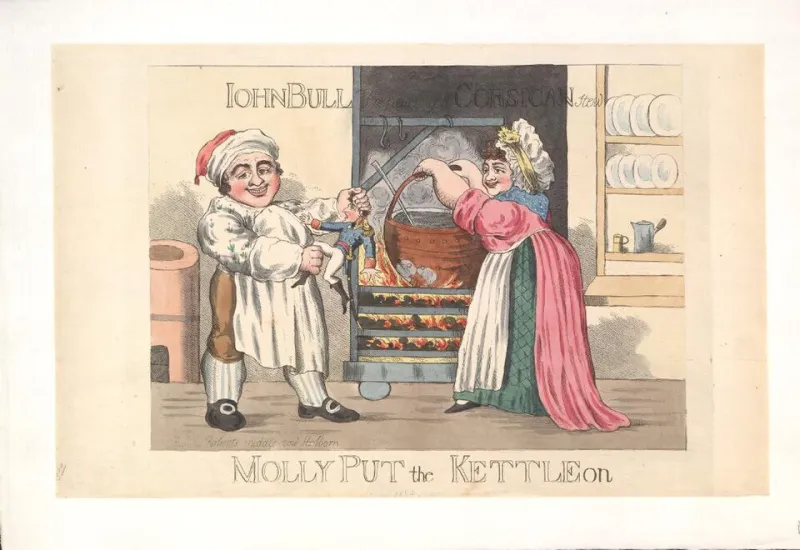
Photo: Unknown, Public domain, via Wikimedia Commons
The ritual at the end of the afternoon
At around four o’clock in the UK, something quietly predictable happens. The kettle clicks on. A mug is chosen. The biscuit tin opens with a familiar rattle. This is not a moral failing. It is a ritual, and rituals do useful work. They mark a transition. They offer warmth, pause and a small reward at the point when the working day begins to thin out.
The trouble is that the ritual can become automatic. The biscuit is eaten before it has been tasted. The tea is drunk while the mind is still in the meeting that ended ten minutes ago. The 4pm habit is rarely about hunger. It is about fatigue, boredom, stress, habit and the need for a boundary between one part of the day and the next.
A habit loop, kindly described
Habit loops are not a flaw in human design. They are an efficiency. A cue triggers a routine, and the routine delivers a reward. At 4pm, the cue might be tiredness. It might be the sight of the kettle, the sound of a colleague making tea, the dip in natural light or the end of a task. The routine is the drink and the biscuit. The reward is a pause, a change of state, a bit of sugar and a moment that belongs to the person rather than the diary.
Seen this way, the biscuit is not the enemy. It is a solution to a problem the person may not have named. Diet culture often turns this into shame. It frames the biscuit as weakness and the body as a project to be managed. Shame is a poor teacher. It narrows attention, increases secrecy and makes the habit more charged, not less.
Why ‘just stop’ rarely works
Restriction creates rebound. If a food is forbidden, it becomes more salient. The mind begins to negotiate. One biscuit becomes a decision about identity. The result is often a cycle of restraint and release that has little to do with hunger and much to do with tension.
The aim of hypnotherapy is not to ban the biscuit. It is to create a small gap between the cue and the routine. In that gap, choice becomes possible. The person may still choose the biscuit. They may choose tea without it. They may choose to step outside, stretch or sit down for two minutes. The point is not deprivation. The point is agency.
How hypnosis can create a pause
Hypnotherapy works with attention, imagery and suggestion. In a session, the practitioner may guide the client to imagine the 4pm scene in detail: the kettle, the mug, the tin, the feeling in the body at that moment. Rather than instructing the client to resist, the practitioner might suggest noticing the cue and inserting a breath. The suggestion is not ‘do not eat the biscuit’. It is ‘you can choose’.
This sounds simple, and it is. But simple is not the same as easy. The automatic sequence has been rehearsed hundreds of times. Hypnosis offers a way to rehearse a different sequence in the imagination, where the nervous system can practise a pause without the pressure of the real kitchen.
A self-hypnosis practice for the 4pm hour
Self-hypnosis can be used in ordinary clothes, at the kitchen counter, without ceremony. Before the kettle goes on, stand still for one breath. Notice the feet on the floor. Notice the hand on the kettle. Say inwardly, ‘I can choose.’ Then make the tea. If the biscuit is chosen, eat it with attention. If it is not, notice that too. There is no perfect outcome. The practice is the pause.
This is not a test of willpower. It is a small act of self-observation. Repeated over time, it can soften the automaticity of the habit. The biscuit tin may remain in the same place. The difference is that the hand does not have to move towards it before the mind has caught up.
What a hypnotherapy session might address
A practitioner may explore what the 4pm moment represents for the client. Is it fatigue that needs rest rather than sugar? Is it a transition that needs marking? Is it a reward that has become the only pleasant part of the afternoon? The answers are not always obvious, and they do not need to be. The session can hold uncertainty without turning it into a diagnosis.
Suggestions may focus on alternatives: a glass of water, a few minutes of quiet, a short walk, a stretch, a change of task. The client remains in control. The aim is not to remove pleasure but to restore choice. A biscuit eaten with awareness is a different experience from a biscuit eaten on autopilot.
Pleasure without punishment
A biscuit can be a pleasure. Tea can be a comfort. The problem is not the ritual itself but the way it can run without the person’s participation. In a culture that often moralises food and productivity, choosing rather than reacting is a quiet act of care. Hypnosis does not need to make the 4pm hour austere. It only needs to make it a little more conscious.