The Silence That Rings: Reassuring a Nervous System After Bonfire Night

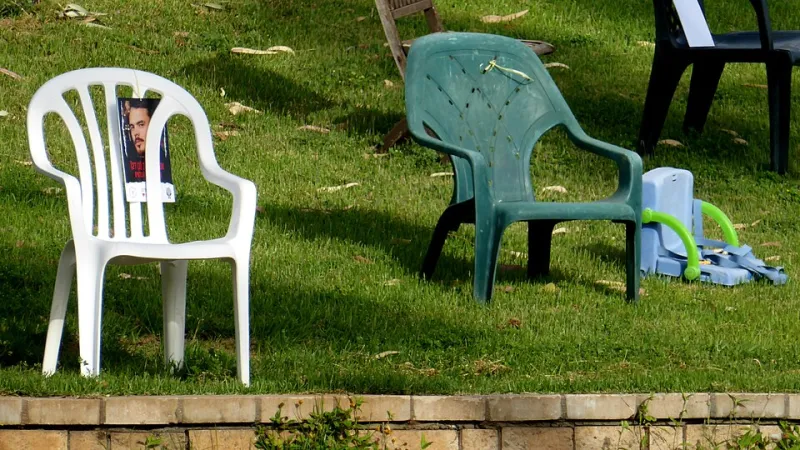
Photo: Stephen Richards , CC BY-SA 2.0, via Wikimedia Commons
The first week of November has passed. The displays have ended, the garden bonfires are cold, and the last of the fireworks have been packed away until another year. Yet for some people, the quiet that follows does not feel entirely quiet. A door slamming in another room, a siren in the distance, a car backfiring on the high street, or even the sudden clatter of a bin lid can produce a disproportionate jolt. The heart races, the shoulders lift, the breath catches. The body behaves as though the bangs are still overhead.
This is not a failure of character, and it is not attention-seeking. It is the nervous system doing what nervous systems are designed to do: protecting the person who inhabits them. Understanding why this happens, and what can be done about it, can make the days after Bonfire Night feel considerably more manageable.
Why the Body Stays on Guard
The startle response is an automatic reaction to sudden, intense stimuli. It begins in the brain before conscious thought has time to catch up. A loud noise is registered by the sensory system, which signals the amygdala, a structure often described as the brain's alarm centre. The amygdala does not pause to ask whether the sound is a firework, a car door or something more dangerous. It simply prompts the body to prepare for action: muscles tense, breathing quickens, blood pressure rises, and the sympathetic nervous system moves into a state of heightened alert.
In ordinary circumstances, this response settles quickly. The cortex, the more deliberative part of the brain, catches up and confirms that there is no threat. The parasympathetic nervous system then restores calm. But when loud noises have been repeated over several evenings, or when a person is already tired, anxious or living with a sensitive nervous system, the settling can take longer. The body remains primed for the next bang even after the bangs have stopped.
This is sometimes described as hypervigilance: a state of scanning the environment for signs of danger. It is exhausting. It can disturb sleep, shorten the temper, and make ordinary social situations feel harder than they should. It is also, in most cases, temporary.
Ordinary Sensitivity or Something More?
It is important to distinguish between a normal startle response that lingers for a few days and a reaction that may be linked to trauma. Many people find fireworks unsettling, particularly those who live with sensory sensitivities, autism, or anxiety conditions. Others may have had a frightening experience involving loud noise, such as an accident or an assault. For some, Bonfire Night can echo earlier trauma.
Trauma-linked reactivity tends to be more persistent and more disruptive. It may include intrusive memories or flashbacks, avoidance of places or situations associated with the noise, nightmares, a feeling of numbness, or a constant sense of threat that lasts well beyond the event. If these symptoms continue for more than a month, cause significant distress, or interfere with work, sleep or relationships, it is worth speaking to a GP or a qualified mental health professional. This article is not a diagnostic tool, but it is a reminder that support exists.
What Therapeutic Hypnosis Offers
Therapeutic hypnosis is not about losing control or being made to forget. It is a collaborative process in which a trained practitioner guides a person into a relaxed, focused state of attention, sometimes called a trance. In this state, the mind is often more receptive to suggestion and to gentle reframing. For someone whose nervous system has been left on guard, hypnosis can offer a way to rehearse safety.
A hypnotherapist might begin by helping the client settle the breath and release unnecessary muscular tension. From there, they may guide the imagination towards a calm, secure scene, or use suggestion to help the body recognise that a sudden noise need not signal danger. Some practitioners use a technique called systematic desensitisation, gradually introducing the idea of a loud sound while the person remains in a relaxed state, so that the association between noise and threat is gently weakened.
The aim is not to eliminate the startle response. That would be neither possible nor desirable. The aim is to help the body return to baseline more quickly, so that a loud noise is processed as a loud noise rather than as evidence of impending harm. Hypnosis can also support better sleep, reduced general anxiety and a greater sense of agency, all of which help the nervous system settle.
If you are considering hypnotherapy for noise sensitivity, look for a practitioner who is registered with a recognised professional body and who has experience in anxiety or trauma-informed work. At Hypnosis4U, we emphasise a calm, unhurried approach, with the client's comfort and consent at the centre of every session.
Gentle Grounding for the Days That Follow
Between sessions, or while waiting to begin therapy, grounding exercises can help the body feel more anchored in the present. They are simple, portable, and can be used discreetly in most situations.
One useful practice is the five senses check. Pause and name five things you can see, four you can touch, three you can hear, two you can smell, and one you can taste. This is not about distraction; it is about giving the brain concrete evidence that the present moment is different from the remembered one.
Another is the long exhale. Breathe in through the nose for a count of four, then out through the mouth for a count of six or eight. A longer out-breath activates the parasympathetic nervous system, which is the body's natural calming pathway. Repeat five times, without forcing the breath.
Orienting is also helpful. Slowly turn your head and look around the room, allowing your eyes to rest on familiar objects. Notice the edges of things, the quality of the light, the temperature of the air. This is a gentle way of telling the brain that the environment is known and safe.
If a sudden noise has already startled you, try not to scold yourself. Place a hand on your chest or abdomen, feel the weight of your feet on the floor, and remind yourself quietly: that was a noise, and I am here. The response is not a weakness. It is a protective reflex that can be retrained over time.
When to Seek Further Support
Most people find that their sensitivity to noise settles within a week or two of Bonfire Night. If it does not, or if the reaction is severe, please seek support. Contact your GP, who can discuss NHS talking therapies or refer you to a specialist service. You might also consider a registered hypnotherapist, counsellor or trauma-informed practitioner.
It is worth noting that Remembrance Sunday, which falls in mid-November, can bring its own ceremonial sounds, including gunfire. For someone already on edge, this can be a difficult weekend. Planning ahead, using ear defenders if appropriate, and giving yourself permission to step away from crowds can all help.
The nervous system is not a machine that can be switched off and on. It is a living system that learns from experience. With patience, gentleness and the right support, it can learn that the bangs are over, and that the quiet is not a prelude to the next explosion. It is simply quiet.