When the High Street Hums: A Calmer Nervous System in the Festive Shopping Crowd
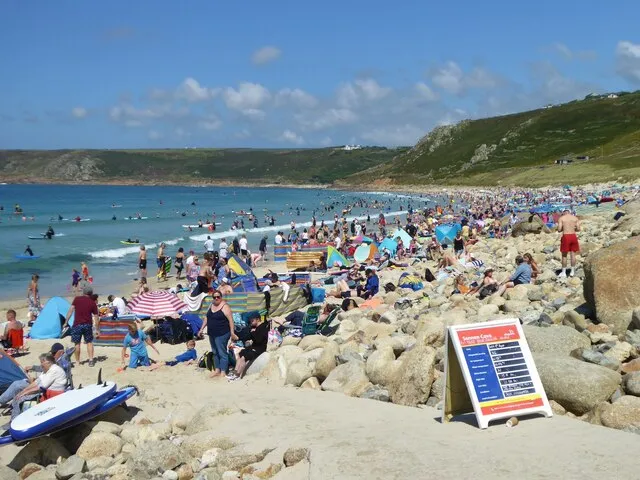
Photo: Rod Allday , CC BY-SA 2.0, via Wikimedia Commons
By late November, many UK high streets and shopping centres have taken on their annual character: brighter, warmer, louder and more densely peopled. For some, this is simply Christmas arriving. For others, the prospect brings a quiet tightening in the chest — a sense that the familiar route to the shops has become an environment to be endured rather than enjoyed. The Christmas queue is not only a line of people at a till. It is a cumulative experience of sound, heat, light, scent and proximity, and the nervous system registers it long before the first present is chosen.
This is not a failure of festive spirit. It is a sensory and anticipatory response, and it can be met with understanding rather than self-criticism.
Why the Festive High Street Feels Different
High streets and shopping centres are designed to stimulate. Twinkling lights, repeating seasonal music, heating turned up against the cold, perfume counters, food smells, crowded aisles and the constant negotiation of other people's bags, buggies and shoulders all compete for attention. For a person with a sensitive nervous system, the effect can be less like atmosphere and more like a demand to process too much at once. The body may respond with a quickened pulse, shallow breathing, an urge to leave, or a feeling of unreality. None of these are imaginary; they are signs that the system is working hard.
There is also the anticipation. Before the trip, the mind may begin to rehearse the crush at the entrance, the search for a parking space, the slow shuffle towards the tills. This is sometimes called anticipatory anxiety, and it can make the shopping trip feel as though it has already happened — and already gone badly. The queue, in this sense, starts at home.
The Queue Before the Queue
Much of the difficulty with festive shopping lies not in the crowd itself but in the story the mind tells about the crowd. If the internal prediction is one of being trapped, overheated or overwhelmed, the body prepares accordingly. Muscles tense, attention narrows, and the trip becomes a test of endurance. Avoidance can follow: the shops are left until the last moment, or the list is abandoned altogether.
Therapeutic hypnosis works with this anticipatory layer. In a relaxed, focused state, a person can gently rehearse the sequence of the trip — the walk from the car park, the first blast of warm air, the press of people near a display, the wait at the till — while remaining settled. The aim is not to pretend that the crowd is not there. It is to give the nervous system a different experience of the same scene, so that the real one has somewhere calmer to land.
How Therapeutic Hypnosis Approaches Crowded Spaces
Hypnosis, in a therapeutic setting, is not sleep and it is not a loss of control. It is a state of focused attention, often accompanied by physical relaxation, in which suggestions and imagery can be explored with a trained practitioner. For shopping anxiety, this may include:
- Mental rehearsal of the route and the busiest moments, paced so that the person remains comfortable.
- Anchoring a physical cue — a hand on the sternum, a slow exhale, the feeling of feet on the floor — that can be recalled in the queue.
- Widening attention from a narrow focus on the nearest shoulder or the loudest speaker to a broader sense of the space, which can reduce the feeling of being hemmed in.
- Rehearsing the pause at the till, the moment of payment, and the exit, so that the trip has a clear and practised ending.
These are not techniques for suppressing discomfort. They are ways of helping the mind and body recognise that the festive crowd, however intense, is a passing environment rather than a threat.
A Rehearsal in Three Movements
Before leaving, a person might take a few minutes to settle: feet on the floor, a slower breath, a clear sense of the first small step rather than the whole excursion. During the trip, the pre-agreed cue can be used not to banish feeling but to remind the body that it has a way through. After returning, a brief pause to acknowledge what was managed can help the nervous system consolidate the experience. Over time, the high street may become less of a hurdle and more of a place that can be visited on chosen terms.
It is worth saying plainly what calm is not. It is not an expectation that a person will enjoy every queue, nor a demand to stay longer than is comfortable. Calm is the capacity to notice rising overwhelm early and to respond with something other than alarm. For some, that means a shorter trip; for others, it means asking for help with the shopping, or choosing a quieter hour. Hypnotherapy can support those choices rather than override them.
A Gentler Relationship with the Season
The weeks before Christmas ask a great deal of attention. The high street is bright and busy, and the nervous system is not always built for that density. Meeting the festive crowd with a calmer response is not about becoming someone who thrives on noise. It is about giving yourself a little more room inside the experience — enough to choose your moment, your route and your exit, and enough to remember that the queue will end.
If festive shopping anxiety has become a recurring difficulty, a qualified hypnotherapist can help you rehearse a steadier response in a way that is paced to you. The aim is not a perfect Christmas, but a more settled passage through its busiest places.